

Why Are Annual Exams Important?
September 1, 2026
by Anne Marie Rodgers, reviewed by Meridith Helms-Pack, DVM
Just as human doctors want to see you annually, we strongly recommend that your pet visit us for a yearly checkup. Having a veterinarian check out your pet each year is vitally important. Disease prevention, good nutrition, exercise, and pain management when indicated are the keys to keeping your pet as healthy as possible and to extending their life. And don’t we ALL want that for our furry friends?
WHAT WILL MY VETERINARIAN DO AT AN ANNUAL WELLNESS?
At your pet’s annual wellness, your veterinarian and technician will do the following:
● Assess your pet’s current condition. She will check your pet’s pulse, respiration, musculoskeletal condition, skin and coat condition, ear cleanliness and health, vision and eye condition, and more.
● Assess your pet’s general attitude and ask if there have been any changes, such as hiding, unusual grumpiness, lower activity level, accidents in the house, or episodes of vomiting.
● She may take your pet’s temperature.
● If you are a new client with a new pet, or an existing client with a new pet, she will look to see if all your pet’s vital signs are within normal limits. This is one reason we work so hard to get records from prior veterinarians. It’s important to us to see what has occurred with your pet’s health before coming to us if they are not a new puppy or kitten.
● If your pet has been seen by her or any of our veterinarians before, she will review older health information (baseline data and any recent testing) to see if there are any significant changes that could indicate hidden health concerns or a decline.
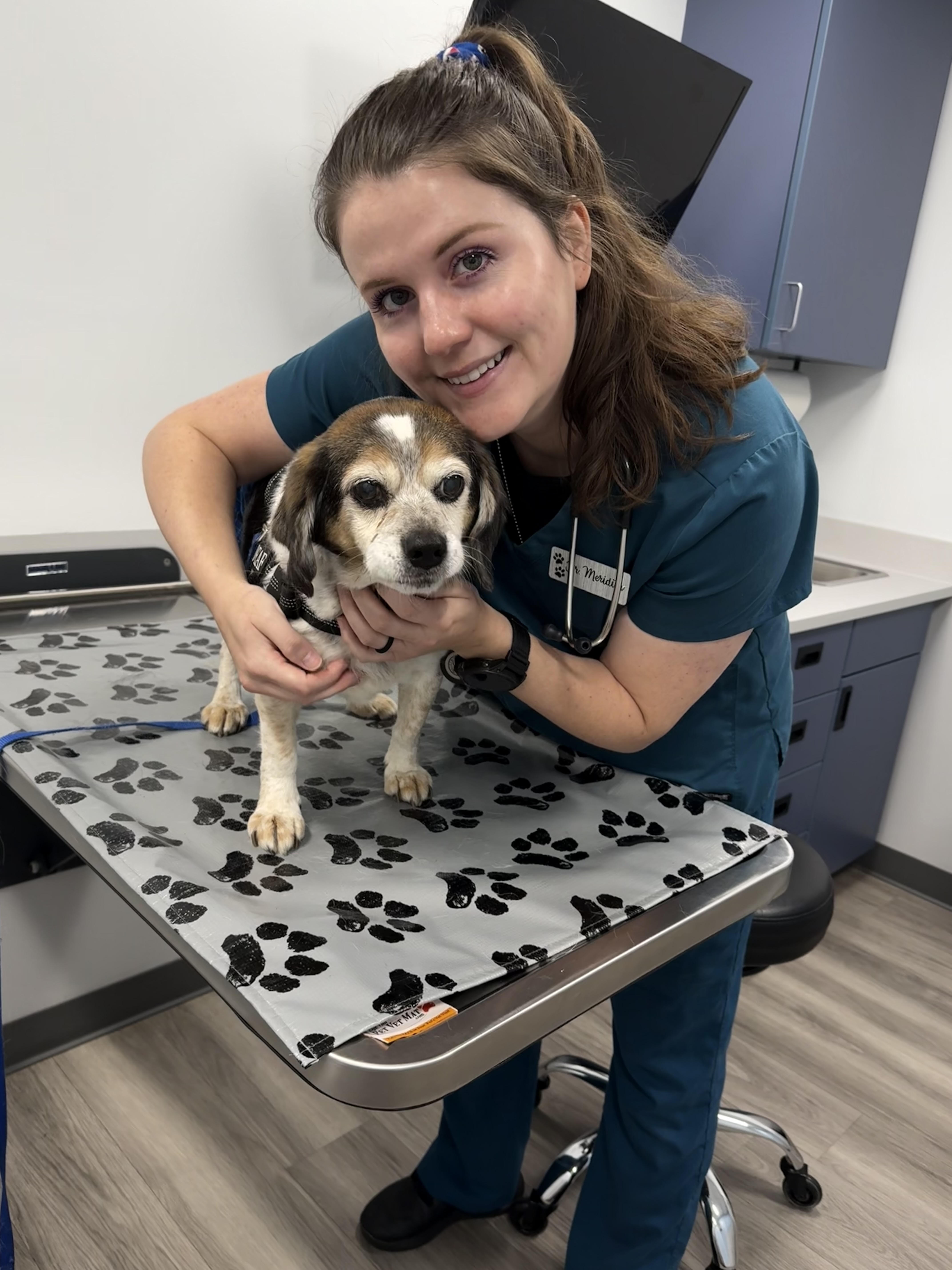
Dr. Helms-Pack with a senior dog who developed glaucoma.
● She will thoroughly check the mouth and teeth to be sure they are in good condition. She also will make recommendations for oral health care, such as tooth brushing or using other methods to clean teeth if your pet does not like to have his or her mouth handled.
● She will review any current medications and treatment protocols to ensure you and your vet are working together to keep your pet healthy and pain-free.
● She will discuss vaccinations or titres, recommend and complete updates.
● As your pet ages or experiences health problems, she will offer additional medical testing or treatment options to help your fur friend have the best possible quality of life.
● She will discuss diets and make recommendations that may help specific health conditions.
● She will take the time to address any questions and concerns you may have. Our goal at CAH is to partner with you to keep your pet as healthy as possible.
WHAT YOU CAN CONTRIBUTE AT YOUR PET’S ANNUAL WELLNESS
As the one who observes your pet on a daily basis, you, the owner, are most likely to notice issues of concern. We encourage you to bring videos, pictures, written notes and questions with you to your appointment. Appetite and behavior are often keys to changes in a pet’s health; your cat may not be refusing to use the litter box just to annoy you. He may be ill or have suffered an injury. Our job is to use the clues you provide to help us figure out what has made your pet change in some way.
One good practice is to start a note in your mobile phone or dedicate a small notebook in an easy-to-reach place. Make a weekly or even more frequent note of how your pet is doing if you have seen any change. Sometimes, your veterinarian may ask you to keep a log for some aspect of your pet’s health, such as eating, drinking, urinating, or bowel movements.
WHAT IS A BASELINE & WHY IS IT IMPORTANT?
A baseline occurs the first time we record vitals and create a file on your pet’s health. We take notes on weight, eyes, ears, nose, any lumps, bumps, or masses, teeth and mouth, heart, breathing, bloodwork, skin and coat condition, a urine sample, and, if provided, a fecal sample. This, and in some cases, more, creates our baseline, and the next time we see your pet, we have something to which we can compare its current condition.
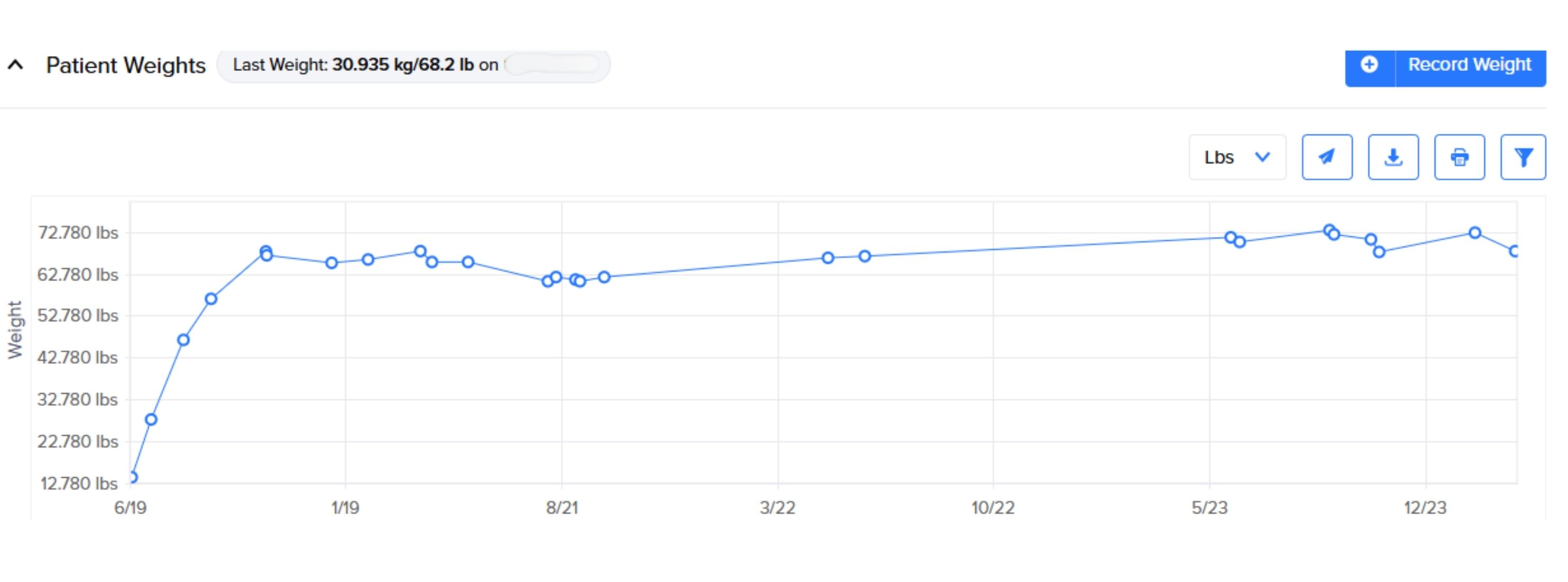
This is the weight chart of an 8-year-old dog seen from puppyhood by the veterinarian annually or more often if there was a medical concern. Note the relative steady weight once the dog reached its adult weight.
Your veterinarian, with the baseline wellness data from past examinations, may see things that you haven’t. Not all health issues are not immediately noticeable to the untrained eye. Every veterinarian in our practice can tell stories of serious issues like cancer, diabetes, thyroid imbalances, or heart disease that were uncovered in an annual wellness exam. Animals hide pain and weakness; they may be struggling or suffering at home without you realizing that their health is declining.
WHAT AFFECTS THE PET LIFESPAN?
CATS
The average lifespan of an indoor cat is between 13 and 17 years, although some cats have been known to live well into their 20’s. Factors that may affect how long a cat lives include what breed it is, its gender, its diet, the veterinary care it receives throughout its lifetime, and its lifestyle.
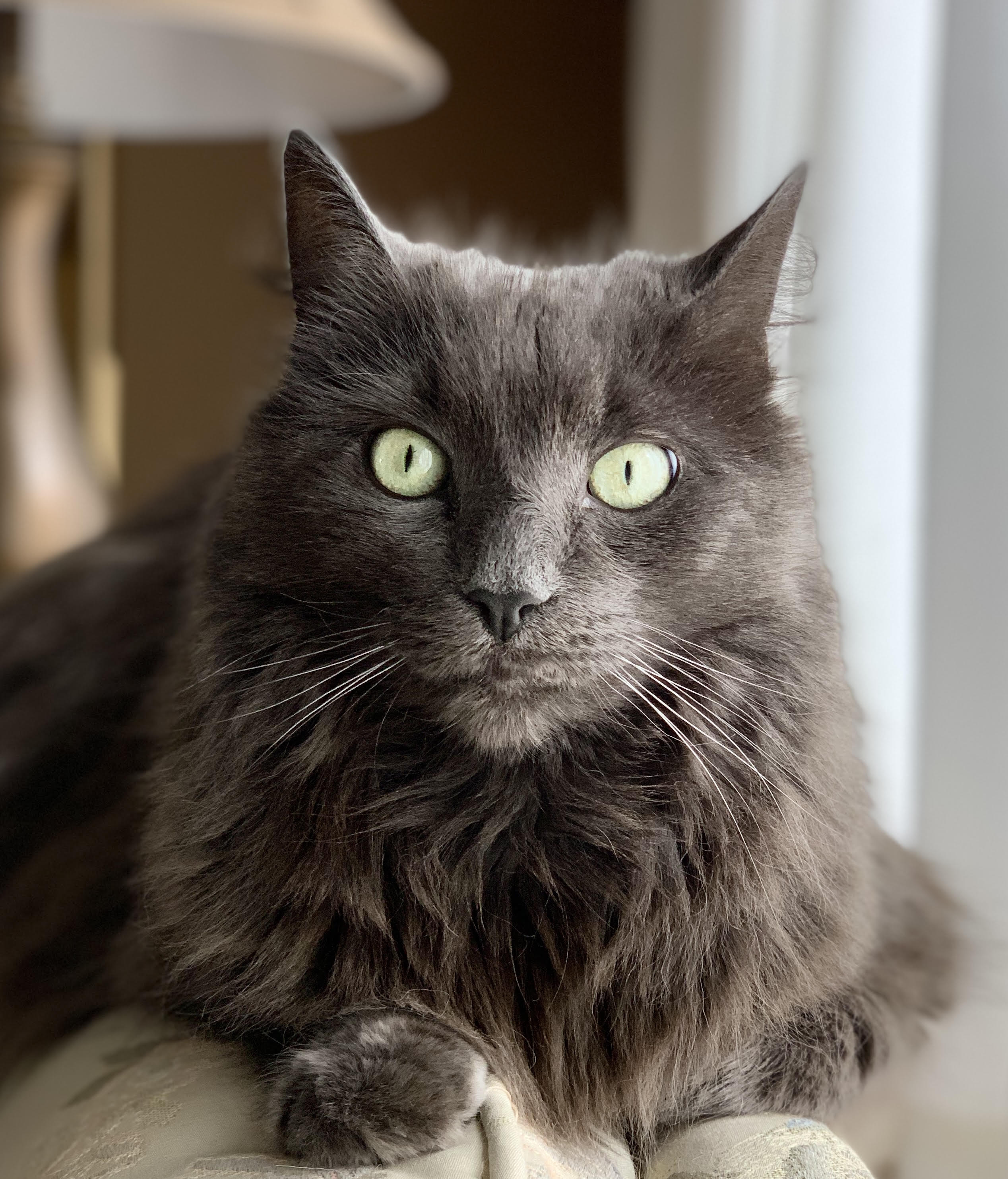
Domestic medium-haired cat, age 15, has received biannual wellness exams since age 10
Gender may matter. Female cats are reported to live longer than males.The Journal of Feline Medicine and Surgery published a 2015 research paper reporting that female cats, on average, live longer than males. This is true of humans and many other species of animals as well. Spaying and neutering also makes a difference. A Banfield Pet Hospital study found that spayed female cats live 39% longer than those who have not been spayed, and neutered male cats live 62% longer than their unaltered counterparts.
Feeding a higher-quality food gives your pet’s body the nutrients it needs to stay healthy for a longer period. If you’re considering making a switch to a new diet, especially one you saw advertised online, it’s a good idea to discuss that with your vet before implementing a change. Bring the ingredient list along to your appointment.
Cats are predators, and for optimal lives, they need stimulation and opportunities to play. A range of different toys, some of your time to play with them, and different heights around a home can all be positive lifestyle additions for a cat. Windows where they can see things moving outside are another great addition.
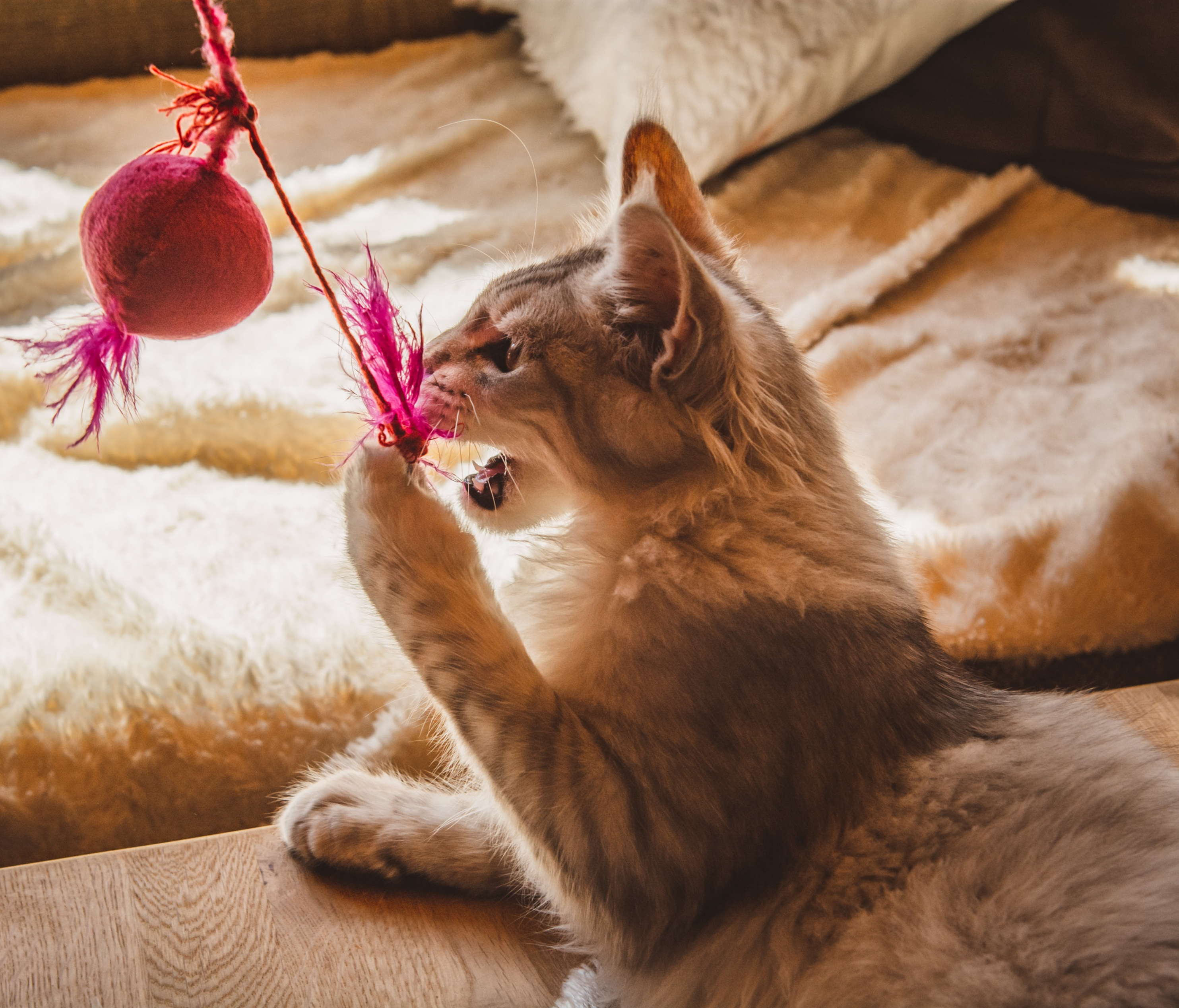
Other lifestyle factors that can be important include how many other animals there are in the household and whether they all get along. Sharing space with too many other cats may be stressful. Two to three cats is considered optimal, while many cat experts recommend no more than five cat housemates. Dogs who want to play rough or chase a cat are problematic. Another source of stress may be a cat who is moved around from one home to another too frequently. Cats are creatures of habit and routine.
Outdoor cats often do not live as long, because they may not be as well cared for, and because they are exposed to dangers such as predators (dog and wild animal attacks), disease, and accidents. We’ve all been saddened by the sight of a lifeless cat lying along the road. If you have an outdoor cat, regular food, daily fresh water, and shelter where they can keep warm or get away from predators are all excellent ways to keep them close to home.
DOGS
Dog lifespans can vary wildly, with toy and small breeds often living longer, on average, than large and giant breeds. Just as with cats, what breed it is, its gender, its diet, the veterinary care it receives throughout its lifetime, and its lifestyle may all influence a dog’s lifespan.
Owners of purebred dogs, in particular, should be aware of the incidence of cancers and other diseases which can threaten the length of a dog’s life.

Many small breeds have a longer lifespan than large and giant breeds.
Diet can be critically important for dog lifespans. Ongoing research investigating the link between a specific type of canine heart disease called dilated cardiomyopathy (DCM) and grain-free diets is ongoing, although at this time the exact cause of DCM remains unclear.
A different type of canine heart ailment is heartworm disease. Once confined largely to the South, heartworm disease has spread to every state in the U.S. It is spread by infected mosquitoes.The microfilariae invade the pulmonary vessels that lead to the , where they mature within five to seven months and begin to reproduce. By the time symptoms become apparent, the disease is well-advanced, which is why veterinarians recommend year-round heartworm prevention for all dogs. A heartworm infection can be transmitted through a single mosquito bite.
Tick-borne illnesses are another serious canine problem. Pennsylvania is one of the states in the country where ticks are especially prevalent. In addition to giving your pet a monthly tick and flea preventative year-round, veterinarians recommend a simple blood screening that tests for three different tick-borne diseases and heartworm disease. Lyme disease is the most widely known tick-borne disease, but anaplasmosis and ehrlichiosis are being seen in our region more and more. All three of these diseases result from bacteria carried by ticks, and all three can cause serious and long-lasting health issues for dogs.
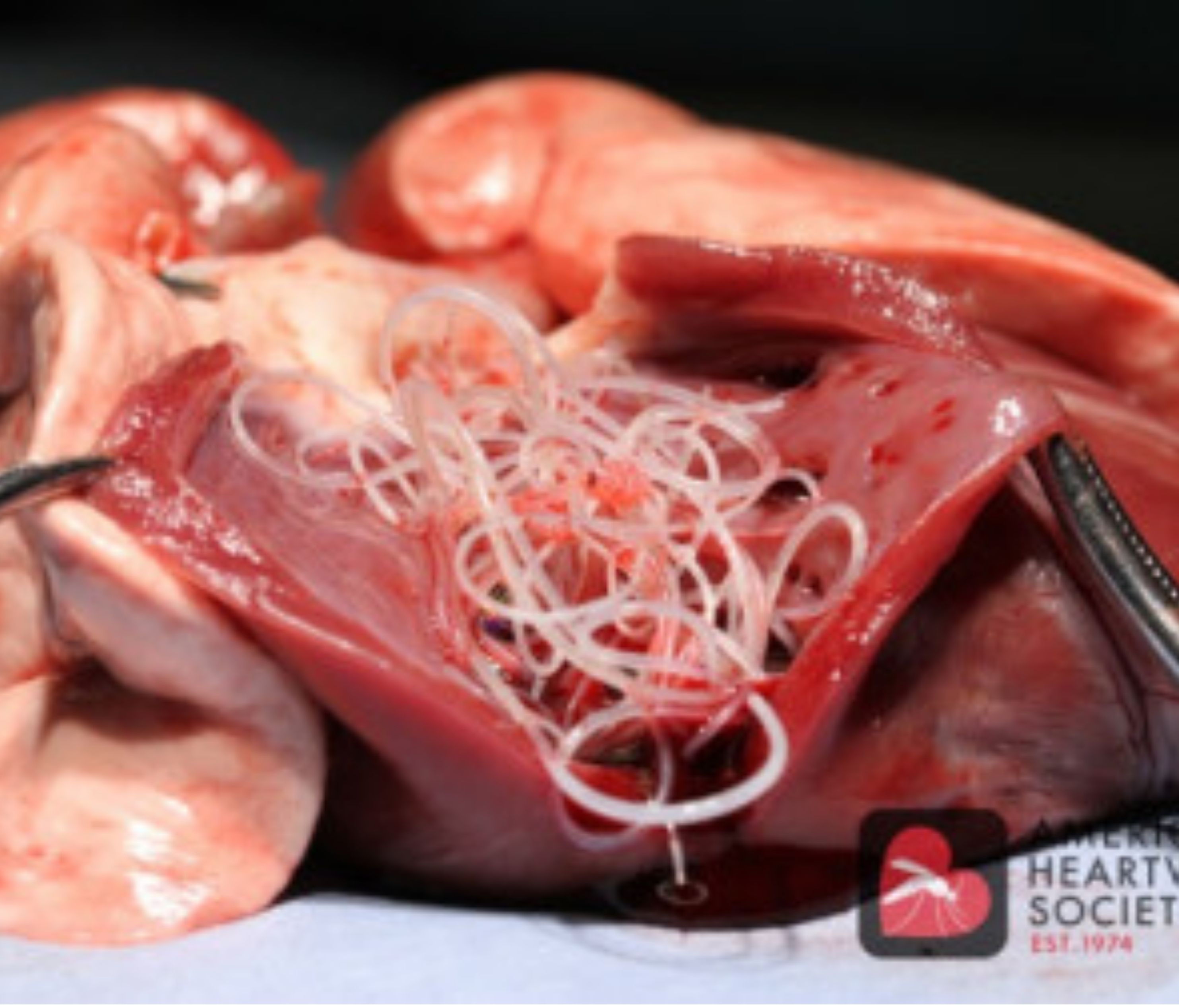
Adult heartworms in a canine heart can cause fatal damage.
HOW DO I KNOW WHEN IT’S TIME FOR MY PET’S ANNUAL WELLNESS?
Our practice keeps track of when your pet’s last annual wellness exam and vaccinations were. We will send you email or text reminders, or both, if you permit us to. If you are not sure if you receive our emails and/or texts, just give us a call and our Client Services team can ensure you are signed up. Additionally, we strongly recommend that you download our pet portal app, Pet Page, so that you can log in and check your pet’s wellness information, appointments, and more at your leisure.

Clients can download the PetPage by AllyDVM mobile app from the Google Play or Apple store.
With Pet Page, you can see information on every pet you own, such as birthdate, whether your pet is spayed or neutered, last weight, rabies tag number (if it was given by CAH) and microchip number. You can also check when your pet’s next vaccinations are due, when they had their last exam, and what prescriptions your pet has. You can click a button to order a refill for your pet’s medication through PetPage, and you can even create alerts to remind you to give medications or schedule vaccines and appointments.
AS PETS AGE, SCHEDULE SENIOR WELLNESS TWICE A YEAR
Oh, how we wish their lifespans were longer! All pet owners know this regret. Let us share the absolute best ways to help your pet live a long and healthy life. Diet is important, as is exercise. Annual examinations by your veterinarian are also crucial for health guidance. But once a pet becomes a “senior,” we recommend twice-yearly biannual well-checks. Why? Because looks can be deceiving! Although your animal may not look or act any differently than they did in earlier years, there can be body changes that, left undiagnosed and untreated, may shorten the life of your pet.
Your dog at age 8 is usually considered a senior, although this may vary slightly by breed. Cats are generally considered seniors over age 10, and truly geriatric over age 15 and above. At these ages, we urge owners to let us evaluate their pets twice a year, so that we can assess any changes that an owner, living day-to-day with an animal, may not recognize.
Biannual checkups often include bloodwork, since changes in the baseline bloodwork are often the first sign that something is not as it should be. This time of life is often when owners report that pets appear to be slowing down, may be grumpier than they used to be, and are not eating well. And while all of these may be natural effects of aging, there are things we can do to help pets regain their mobility and reduce pain or discomfort that may be affecting their spirits.
You can tell your doctor when you are in pain; your pet cannot. An observant veterinary health provider may see the signs of pain your pet has been hiding from you. As we successfully extend the ages to which cats and dogs routinely live, they may suffer from arthritis and other age-related ailments just like we do. Your dog may not be refusing to get up just to be ornery - he may be in pain when he has to stand or walk.
CALL US TO SCHEDULE YOUR PET’S ANNUAL WELLNESS
In conclusion, we can’t list enough reasons why an annual or biannual exam is important for your pet, especially if s/he is a senior.
As previously mentioned, exams become even more critical as a pet ages. Veterinarians invariably find that pets who do not receive annual wellness care and whose owners wait to bring them in until there is already a noticeable issue in the home setting, often have serious health challenges.
Additionally, our veterinarians attend continuing education workshops, seminars, and conferences to keep up with rapid changes in veterinary medicine. Our vets study new ways to diagnose health problems, new treatments, and new medications. Annual exams are the perfect time for your vet to share new advancements that could affect your pet’s health in positive ways. Please call us today to schedule your pet’s annual exam!
Copyright © 2026. All Rights Reserved. Privacy Policy - Sitemap
Powered by: 