

articles
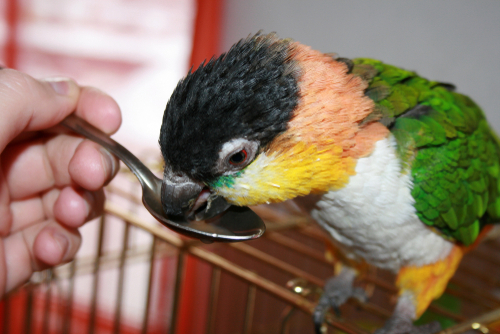
There are a wide variety of animals that can be kept as domestic pets. While some, like cats and dogs, are fairly common, others are much less popular. In the past, an exotic animal was a species that was considered to be ‘wild’ in nature and not usually kept as a pet, but today, an exotic pet is pretty much any animal that isn’t a cat or dog, and are more commonly kept as pets than ever before.
The following animals tend to be classified as exotic animals and represent some of the more unusual pets in need of specialist veterinary care:
Amphibians - this includes frogs, newts, toads, and even salamanders.
Birds – including budgies, parrots, and birds of prey.
Crabs – in particular hermit and fiddler crabs.
Farm animals – including goats, llamas, and pigs.
Ferrets
Insects and millipedes – including cockroaches, stick insects, praying mantis and even ants.
Rabbits
Reptiles – such as lizards (including dragons, geckos, and chameleons), snakes, tortoises, and turtles.
Rodents – there are a huge number of animals classed as rodents including chinchillas, hamsters, rats, gerbils, and guinea pigs.
Scorpions - in particular the emperor scorpion.
Spiders – the tarantula is the most commonly kept pet spider in the world.

Accidents and emergencies don't just happen to humans, and while first aid is no substitute for emergency veterinary care, basic first aid knowledge can be crucial for treating certain injuries and in preventing symptoms or situations from worsening.
In critical emergencies, opting to administer first aid before heading to your veterinarian could make the difference between the life and death of your pet.
As a pet owner, it is your responsibility to try and ensure the safety and well being of your pet at all times. With that in mind, here is our guide to basic first aid for pets.
Bleeding (Externally)
External bleeding is typically the sign of a fight with another pet or an accident, and unless it is a severe wound and/or located on the legs, it can usually be dealt with relatively quickly and simply
In order to establish the site of the injury, you may need to muzzle your pet, as they may be in some pain. Once you have located the injury, press a thick, clean gauze pad over the wound and apply pressure until the blood begins to clot. It may take a number of minutes for the clot to gain enough strength to sufficiently stop the bleeding, so instead of checking every few seconds, hold the gauze in place for at least two minutes before lifting to check if the bleeding has ceased.
If your pet has severe blood loss from the legs, use a thin strip of gauze, elastic band or similar material to create tourniquet between the wound and the body. Once it is in place, you should cover the wound with a gauze pad and continue to apply gentle pressure.
Loosen the tourniquet for about 30 seconds every 15 to 20 minutes so that you don’t cut off the circulation from the wound entirely, and get someone to drive you to an emergency veterinarian immediately as severe blood loss can be fatal.
Bleeding (Internally)
It may not always be possible to tell that your pet is bleeding internally, but some of the symptoms that you can look out for include:
Coughing up blood
Bleeding from the nose, mouth or rectum
Blood in urine
Pale gums
Rapid pulse rate
Weak pulse
Unconsciousness
If any of the above symptoms present themselves, make your pet as warm and comfortable as possible, and take them straight to your emergency veterinarian.
Burns
If your pet suffers from any form of burn injury, you should first muzzle your pet, then apply large quantities of ice-cold water to the affected area.
In the case of chemical burns, the water should be free-flowing in order to cleanse the skin as much as possible. Otherwise, hold an ice-cold compress to the burned area and immediately transport your pet to your emergency veterinary service.
Choking
Choking is just as common in pets as it is in humans, and knowing how to assist your pet if they choke could save the life of your pet. Symptoms of choking include:
Struggling to breathe
Pawing at the mouth and nose
Choking sounds
Excessive coughing
Lips or tongue turning blue
Since your pet will be in an extreme state of panic, it is more likely that they may accidentally bite you, so using caution, try and look into your pet's mouth to see if any blockages are immediately visible. If you can see something obstructing your pet’s airway, carefully try and remove it using tongs, pliers or tweezers, taking extreme care not to push the item further into the esophagus. If it is not easily removed, don’t spend extra time trying to reach it.
If you are unable to remove the object or your pet collapses, you should try and force air from the lungs in an attempt to push the object out from the other direction. The way you should do this is by putting both of your hands on the side of your pet’s rib cage and applying short, sharp bursts of firm pressure.
Keep doing this until you manage to dislodge the foreign object or until you arrive at the emergency veterinary service.
Copyright © 2026. All Rights Reserved. Privacy Policy - Sitemap
Powered by: 